

The Value of Unstructured Play →
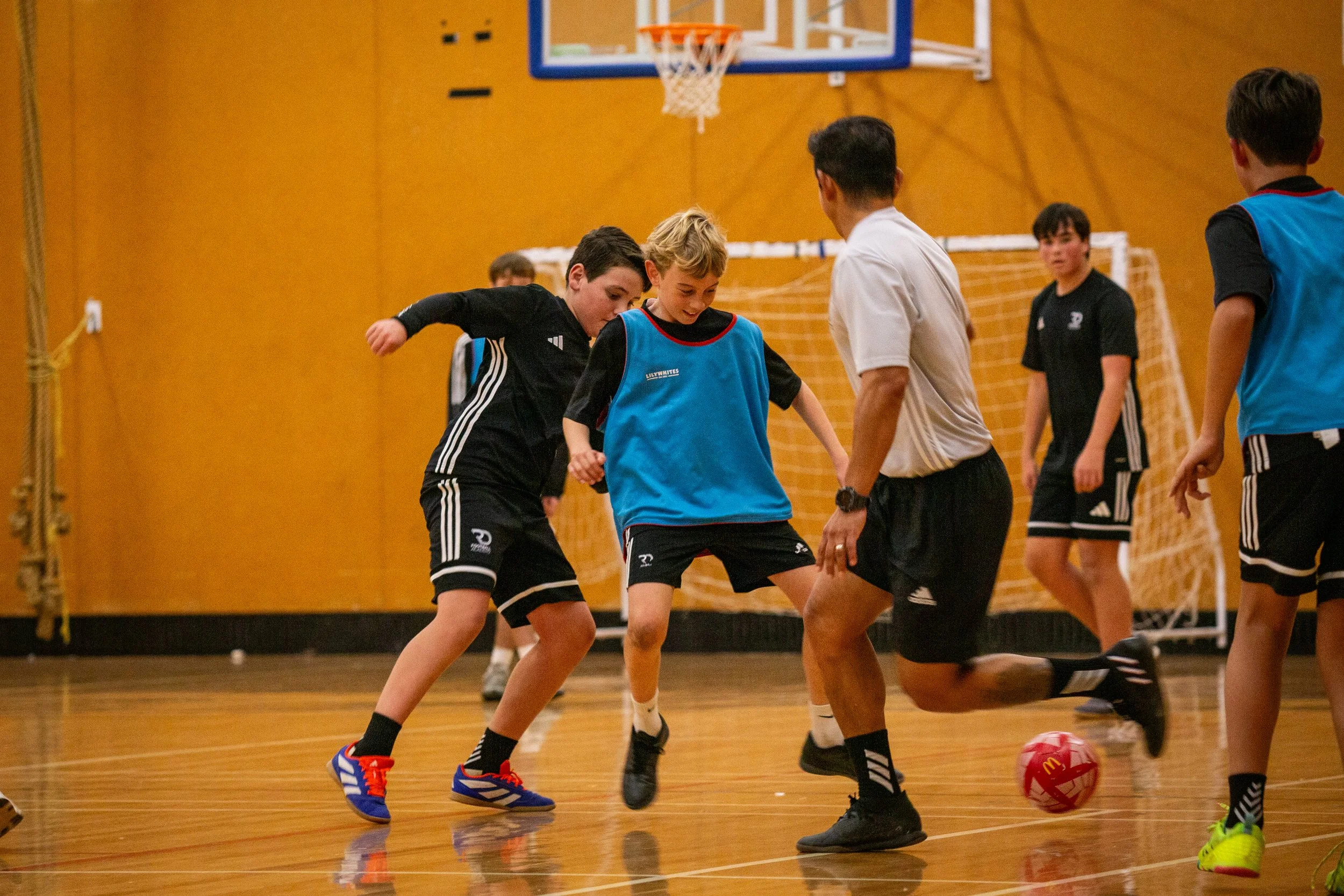
In modern youth sport, many children grow up with every moment of their development carefully organised. Training sessions are structured, drills are planned, and schedules are often full. While structured coaching has an important role, something equally valuable is sometimes lost along the way: unstructured play.
Unstructured play is simple. It’s kids meeting at the park, playing in the backyard, or kicking a ball around without instructions or coaching. There are no cones, no coached activities, and no one telling them where to stand or what decision to make.
This kind of play is where creativity often develops.
Without constant direction, players experiment. They try new movements, take risks, and invent solutions to problems on their own. Mistakes are part of the experience, but they carry no pressure. Players simply adjust and keep playing.
In these environments, learning happens naturally.
Players negotiate rules, adapt to uneven teams, and find ways to succeed in constantly changing situations. The game becomes something they explore rather than something they are told how to play.
For young players especially, this freedom is important. It builds confidence, independence, and a genuine connection with the game. They are not just completing tasks set by a coach; they are owning the experience themselves.
Structured training still matters, but it should not replace opportunities for free play. Both environments serve different purposes in development.
We believe the goal is not to control every moment of a player’s journey. Instead, it’s about creating the right balance: guidance when it’s needed, and freedom when it’s valuable.
Because sometimes the best learning happens when the coach simply steps back and lets the game unfold.
