

Why Rest Is Part of Training →
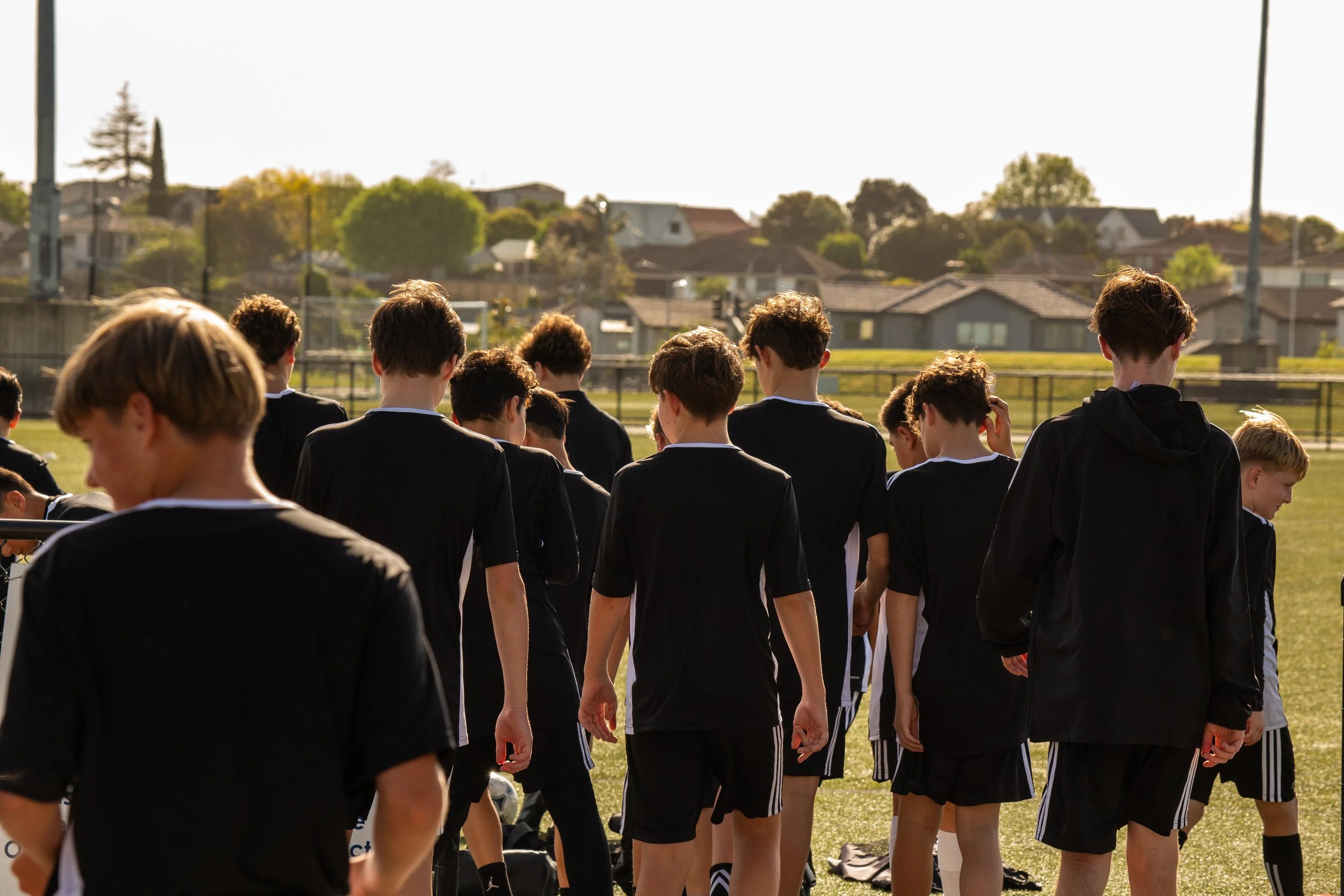
In youth sport, it’s easy to think that improvement comes only from doing more. More sessions, more games, more time on the ball. But one part of development that is often overlooked is rest.
Rest is not the absence of training. It is part of it.
When players train, they are placing stress on both their body and mind. Skills are practiced, decisions are made, and energy is used. But it’s during rest that the body recovers and adapts, and the learning from training begins to settle.
Without enough rest, this process is limited.
Fatigue builds up, both physically and mentally. Players may still show up and go through the motions, but focus drops, decision making slows, and the quality of training decreases. Over time, this can lead to frustration, burnout, or even injury.
Rest also creates space.
Space to reset, to reflect, and to come back with energy. For younger players especially, it allows them to maintain balance. Sport remains something they enjoy, rather than something that constantly demands from them.
This doesn’t mean doing nothing.
Active recovery, free play, and time away from structured environments all contribute in different ways. The key is that players are not always under pressure to perform or improve.
Rest is essential, not optional. It supports both performance and long-term development, helping players stay engaged and consistent over time.
Because improving isn’t just about how hard you train.
It’s also about how well you recover, reset, and return ready to learn again.
